

Breast augmentation surgery recommendation guide, popular materials and surgery comparison, professional experience sharing by Dr. Liu Zongxian.
Table of Contents
- Understanding Breast Augmentation Surgery and Suitable Candidates
- Suitable candidates for breast augmentation (consult a professional physician for advice)
- Unsuitable candidates for breast augmentation (recommended to postpone or avoid surgery)
- Types of breast augmentation surgery
- Introduction and selection of various breast implant materials
- Early materials for breast augmentation surgery include saline bags.
- The mainstream material for breast augmentation surgery today is jelly silicone.
- Incision location for breast augmentation surgery
- Breast augmentation implant placement
- Post-operative care and recovery after breast augmentation
- Common complications and risks of breast augmentation surgery
- Risk prevention key: Enherya insists on professional judgment and selection.
- Secondary breast augmentation (breast reconstruction)
- Breast Augmentation Frequently Asked Questions FAQ
Understanding Breast Augmentation Surgery and Suitable Candidates
Breast augmentation surgery is a common plastic surgery procedure that primarily improves breast shape, fullness, and symmetry through the implantation of prosthetics or injection of autologous fat. For many women dissatisfied with their breast shape, breast augmentation is not just a change in appearance, but also a way to regain confidence and body autonomy. According to the clinical experience of Dr. Liu Zongxian's team, the technology for breast augmentation surgery has matured significantly, allowing for personalized design based on individual needs in terms of prosthetic materials, implantation methods, and incision choices, achieving natural, harmonious, and stable postoperative results.
Suitable candidates for breast augmentation (consult a professional physician for advice)
● Those who have a flat chest shape due to congenital factors and want to improve their overall body proportions.
● Women who have experienced breast atrophy and sagging after breastfeeding and wish to restore their breast shape.
● Those whose breasts sag due to weight changes or age factors
● Those who have undergone breast removal or surgical reconstruction
● Those who want to improve their chest shape to enhance their confidence and appearance satisfaction.
Individuals who are not suitable for breast augmentation (recommended to postpone or avoid surgery)
● Those with severe breast diseases, infections, or malignant tumors
● Those with severe coagulation function abnormalities and immune system issues.
● During pregnancy or breastfeeding
● Those who cannot cooperate with the surgical risks and postoperative care or have unrealistic expectations.
Breast augmentation surgery is an invasive procedure. It is recommended to consult in detail with a professional plastic surgeon before the surgery to ensure that one's conditions align with expectations, and then make an appropriate choice.
Types of breast augmentation surgery
Breast augmentation surgery can be broadly divided into three types based on the method of implantation and materials used: autologous fat transfer breast augmentation, prosthetic breast augmentation (implant breast augmentation), and composite breast augmentation. Choosing the appropriate surgical method requires consideration of individual body type, breast condition, and expected results. The characteristics of the three types are explained below.
| 項目 | Autologous fat breast augmentation | Implant breast augmentation (Queen Wave, Magic Drop, etc.) | Composite breast augmentation |
|---|---|---|---|
| Surgical methods | Extract fat from the abdomen, thighs, etc. → Purification → Inject back into the breasts | Implant silicone breast implants inside the breast. | Implantation provides support → then use autologous fat to enhance the contours. |
| Advantages | Using autologous tissue, low rejection reaction. ● The postoperative touch is natural and soft. ● Can simultaneously perform liposuction and body shaping |
● Stable results, significant cup size enhancement. ● Various materials and shapes, customizable. The effect of a single surgery is clear. |
Combining the advantages of both, the appearance is more natural. ● Improve the obvious edges or hard texture of the implant ● Better adjust the difference between the left and right breasts |
| Disadvantages | ● The fat survival rate is limited, and some will be absorbed. ● One enhancement is limited, and multiple fat injections may be needed. Those with excessively low body fat are not suitable. |
● For foreign body implantation, there may be a risk of capsular contracture. ● Requires post-operative massage and regular follow-up |
● The surgery time is longer, and the cost is higher. ● Need to care for both the implant and the fat grafting area. |
| Suitable candidates | ● Moderate body fat with localized fat accumulation ● Those who want a natural and soft breast shape ● Those who do not wish to have implants in their body. |
● Those who want to significantly upgrade their cup size. ● Those with good skin and breast conditions ● Able to accept post-operative massage and maintenance |
● Those who require a delicate and natural breast shape ● Those with sufficient body fat who want to improve details. ● Those who were dissatisfied with the results of a single breast augmentation procedure. |
Introduction and selection of various breast implant materials
Choosing the appropriate implant material is a key factor for the success of breast augmentation surgery. Common materials vary depending on the development of the times and characteristics such as touch, appearance, and safety.
Early materials for breast augmentation surgery include saline bags.
Saline bags were a common prosthetic material in the early days, consisting of an outer silicone shell filled with saline solution.
Why is it used less nowadays?
● More prone to ripple effects, with a harder texture.
● In case of rupture, absorption is safe but the breast shape changes immediately.
The overall naturalness and stability are not as good as modern silicone implants.
Therefore, it has gradually been replaced by the new generation of jelly silicone materials.
The mainstream material for breast augmentation surgery today is jelly silicone.
Gummy bear silicone implants have become mainstream in modern breast augmentation surgery due to their stability and natural feel, and are further subdivided by brand and design.
Common Brand Introduction:
● Mentor Xtra: Focuses on a natural drooping feel, high softness, and appearance that meets the preferences of Asian women.
● Motiva Generation 1 and 2: Simulates natural breast dynamics, soft to the touch, and has high postoperative stability.
● Pearl: A British brand, with a delicate pearl-like surface that provides stable shaping and creates a realistic breast shape.
-

Rib cartilage rhinoplasty + pearl wave breast augmentation: Creating a mixed-race magical beauty, the double upgrade secrets of a female tattoo artist.
Rhinoplasty surgery was forced to be postponed: the calcified rib cartilage was unusable, and during the surgery, she had no recollection of the situation in the operating room. Afterward, she learned that the doctor from Enherya discovered that her rib had already calcified and could not be used when removing it! The reason for the calcification of the rib may be related to poor lifestyle habits or dietary factors. Because the calcified rib could not be used, the doctor first completed the pearl wave breast augmentation surgery for her.
Pearl Smooth Silicone Implant [Taiwan FDA No. 036693] commonly known as Bubble Tea, Pearl Wave -
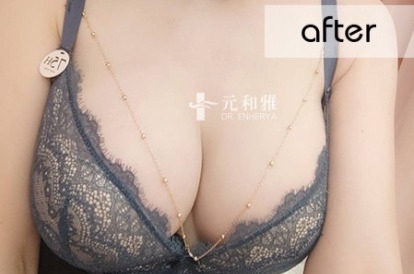
Queen's breast augmentation real sharing: A glamorous upgrade from a flat-chested girl to a confident goddess! I deleted my life without cleavage and started over.
"I once had no cleavage, and life felt like a missing piece of a puzzle." She recalled her childhood insecurities about her chest shape, feeling that no matter what she wore, she couldn't muster any confidence. Until she made the decision to choose a Queen Wave breast augmentation, everything changed from then on. Evolving from a flat-chested girl to a confident goddess, every time she looked in the mirror, she liked the current version of herself more. This is not just a simple breast augmentation surgery; it is a journey about reclaiming self-worth.
Mandala silicone-filled implants [Taiwan FDA Medical Device No. 019462] commonly known as Queen Wave silicone breast augmentation. -
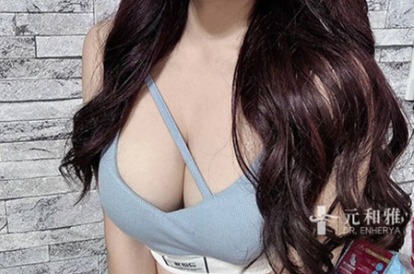
Magic Drop breast augmentation awakens full confidence, with soft and beautiful breasts making her shine!
Enherya's specialty is excellent medical skills and rigorous service SOP. I expressed to the doctor my hope that after the surgery, whether standing or lying down, I could achieve a natural effect. The doctor at Enherya recommended that I choose the Motiva implant based on my needs and body shape. This Motiva implant not only has high extensibility and elasticity, but also presents a natural drooping effect in any posture. When I actually touched it, I found that its bounce feels very close to my original skin, which made me very excited!
"Polymed" Ager breast implants [Taiwan FDA Medical Device Registration No. 032220] commonly known as Magic Drop, Magic Drop 2.0
Types of breast implant surface classification:
● Smooth surface: Natural touch, after breast augmentation surgery, active massage is required to reduce the likelihood of wrinkles.
● Velvet surface / Micro-velvet surface: Higher stability, less likely to shift or rotate after implantation.
Selection of breast implant shape:
● Round: Fullness in the upper chest, high visual fullness.
● Tear-shaped: Good natural droop, closer to the shape of real breasts.
Based on individual conditions (skin thickness, gland distribution, desired breast shape) and the physician's assessment results, the most suitable prosthesis design should be selected to achieve the best balance between touch and aesthetics.
Incision location for breast augmentation surgery
The incision location for implant breast augmentation directly affects the concealment of the wound, recovery period, and postoperative appearance. Currently, the common incision methods include four types: axillary, inframammary, areolar, and umbilical, each with its own advantages and disadvantages and suitable candidates.
Axillary incision surgical method
An incision is made through the axillary fold, using endoscopic assistance to implant the prosthesis, avoiding scars on the breast.
Advantages
No obvious scars on the chest, natural appearance.
● The recovery period is relatively quick, and the infection rate is low.
Disadvantages
High requirements for the physician's operating skills.
● If capsule contracture occurs or a second surgery is needed, it is more difficult to handle.
Submammary incision surgical method
The most common and classic incision method is to directly open at the lower edge of the breast to implant the prosthesis.
Advantages
● Clear vision, high stability in breast augmentation surgery operations
● Suitable for all prosthetic shapes and materials
Disadvantages
There will be scars below the chest, and care for breast augmentation scars needs to be noted.
Areola incision surgical method
The incision is made at the junction of the areola and normal skin, providing a high level of concealment for the breast augmentation surgery wound.
Advantages
● The breast augmentation incision is concealed and not obvious.
● Close to the implant location, precise operation
Disadvantages
● There is a high probability of affecting nipple sensitivity
If the areola is small or the color difference is not obvious, the incision cannot be hidden.
● Currently less commonly used, it has gradually been phased out.
Umbilical incision (endoscopic-assisted) surgical method
Enter through the belly button and use endoscopic assistance to push the implant to the chest position.
Advantages
● No breast scars, the highest concealment of wounds.
Disadvantages
● Breast augmentation surgery is the most difficult, and only saline bags can be used.
Currently less commonly used and has gradually been phased out.
The choice of incision location should consider individual breast conditions, scar constitution, and implant type, and should be decided after充分討論 with the breast augmentation surgeon.
Breast augmentation prosthesis implantation location
In addition to the material of the implant and the incision method, the level of implant placement is also an important factor affecting the postoperative results. Different placement locations can influence the naturalness of the breast shape, texture, recovery period of breast augmentation, and potential complications. Below are introductions to four common implant placement levels.
Subglandular implantation
The implant is placed in the space between the breast tissue and the pectoralis major muscle.
Suitable candidates
● Those with thick skin and breast tissue
● Those who already have a certain foundation in their breast shape and do not need significant changes in shape.
Features
Post-breast augmentation pain is relatively low, and recovery is faster.
The outline of the implant may be more noticeable, and if the tissue is too thin, rippling may occur.
● The probability of capsule contracture is slightly higher.
Implantation under the pectoralis major
The implant is placed beneath the pectoral muscle, at a deeper level within the body.
Suitable candidates
● Those with thinner tissue who need muscle coverage over the implant to increase naturalness.
● Those concerned about the risk of capsular contracture
Features
● Natural appearance, the edges of the prosthesis are not easily noticeable.
● The pain sensation is relatively high, and the recovery period is slightly longer.
Muscle movements may cause changes in breast shape.
Subfascial implantation
The prosthesis is placed between the fascia of the pectoralis major and the muscle, which is a compromise between under the gland and under the muscle.
Suitable candidates
● Those who want a soft touch but do not want it completely placed under the muscle.
● Those who exercise frequently and do not wish to have changes in breast shape due to muscle movement.
Features
● Retain some muscle coverage, combining naturalness and stability.
● Moderate pain, quick recovery after surgery
● Higher technical requirements for breast augmentation surgeons
Dual-plane implantation
The upper half of the implant is placed under the muscle, while the lower half is located under the gland, combining the advantages of both.
Suitable candidates
● Those with thin tissue but hope for a natural drooping effect.
● Those with mild breast sagging that needs adjustment.
Features
● Natural appearance, soft texture, and good support.
There is also good adjustment space for those with asymmetrical breast shapes.
● It is currently a common and widely used level of implantation.
Choosing the most suitable implantation level requires consideration of individual breast conditions, skin thickness, implant type, and lifestyle (such as whether one exercises regularly), and should be assessed and planned by a professional plastic surgeon.
Post-operative care and recovery after breast augmentation
Successful breast augmentation surgery depends not only on the surgery itself but also on the postoperative care and recovery process, which are equally crucial. Proper postoperative management of breast augmentation helps reduce complications, enhance postoperative satisfaction, and ensure the stability and natural appearance and feel of the breasts.
Post-operative care after breast augmentation
In the early stages after breast augmentation surgery, the breasts may experience swelling, bruising, and a tight sensation, which are normal reactions. It is necessary to follow the doctor's instructions regarding medication and rest, and to avoid vigorous activities.
Breast Augmentation Wound Care
Keep the wound dry and clean, and change the dressing regularly according to the doctor's advice. If there is redness, swelling, or abnormal discharge, you should return for a check-up as soon as possible.
Diet and Lifestyle Habits
In the weeks following breast augmentation surgery, it is recommended to avoid smoking, drinking alcohol, and consuming spicy or irritating foods, and to supplement with protein and vitamins to promote healing. Avoid sleeping on your stomach and positions that put pressure on the chest.
Exercise recovery
In the first 1 to 2 weeks after breast augmentation surgery, heavy lifting and significant upper limb activities should be avoided. Around 4 to 6 weeks post-surgery, one can gradually resume daily exercise, adjusting according to individual recovery conditions.
Wearing
After breast augmentation surgery, a supportive bra will be worn to stabilize the implant position, typically for 1 to 3 months, depending on the surgical method and doctor's instructions.
Massage
If smooth surface implants are used, the doctor may recommend post-operative massage to reduce the risk of capsular contracture. The method and frequency of massage should be guided by the doctor's individual assessment.
Pain sensation
After breast augmentation surgery, there may be initial symptoms of dull pain and sharp pain, which can usually be alleviated with oral painkillers. Symptoms typically improve significantly within 1 to 2 weeks.
Follow-up and Contact
Follow the schedule for regular check-ups after breast augmentation surgery, and perform ultrasound follow-ups if necessary. If there are any abnormal symptoms, contact the medical team immediately for assistance.
The level of detail in post-operative care for breast augmentation often directly affects the final results and the stability of the breast appearance. It is recommended to follow the doctor's advice throughout the process and not to overlook any aspect of recovery.
Common complications and risks after breast augmentation surgery
Although breast augmentation surgery techniques have become increasingly mature today, there are still certain risks and probabilities of complications. Understanding and correctly recognizing these possible situations can help in preoperative risk assessment, early detection of abnormalities after surgery, and proper handling.
Risks related to implants
● Incorrect implant position / displacement / uneven breasts: This may be due to insufficient tissue support, surgical operation, or improper postoperative care, requiring adjustment or revision surgery.
● Implant leakage / rupture: Modern gummy silicone implants are not easily permeable even if they rupture, but regular follow-up is still recommended.
● Implant Wrinkles / Water Ripple: Often occurs in thin skin or uneven implant surfaces, some can be improved through fat grafting.
● Capsular contracture: The body has an excessive reaction to the implant, causing thick and hard tissue to form around the implant, leading to deformation or a hard lump sensation. In severe cases, removal and reconstruction may be necessary.
Breast augmentation surgery complications
● Hematoma: Accumulation of blood after surgery forms a hematoma, which needs to be addressed immediately to avoid infection and pressure.
● Nerve damage: It may cause changes in nipple sensation or numbness, usually temporary, but a small number can be permanent.
● Bacterial infection: Severe infections may require the removal of the prosthesis for treatment, and disinfection and care before and after surgery are crucial.
Unique risks of autologous fat breast augmentation
● Fat necrosis / Calcification: If the fat does not survive successfully, it may form lumps or calcification points, some of which require imaging follow-up to rule out lesions.
● Uneven absorption / asymmetry between both sides: The survival of fat is affected by the recipient's condition and injection technique, resulting in possible asymmetry that needs to be evaluated for fat supplementation adjustment.
Key to Risk Prevention: Enherya insists on professional judgment and selection
Choosing an experienced plastic surgeon and designing the surgical method according to individual conditions is the primary key to preventing risks; at the same time, fully communicating expectations and limitations before the surgery, and properly following post-operative care can significantly reduce the incidence of complications.
Long-term considerations of breast augmentation
Breast augmentation surgery, in addition to the initial postoperative care and recovery, long-term maintenance and potential future changes should also be considered. Understanding the durability of breast augmentation and subsequent treatment options helps to establish reasonable expectations and planning.
Duration
Modern jelly silicone breast implants have stable materials, and there is no mandatory replacement period if there are no complications or discomfort. Some patients can maintain them for over 10 years while still having a good feel and appearance. However, it is still recommended to have regular check-ups, such as undergoing an ultrasound or MRI follow-up every 2 to 3 years.
Aging and sagging
Breast tissue naturally ages with time, which may lead to looseness and sagging, and is not directly related to breast augmentation. If one wishes to maintain breast shape, they may consider adjusting their lifestyle, wearing appropriate bras, and if necessary, undergoing a breast lift surgery for adjustment.
Secondary breast augmentation (breast reconstruction)
Some women may choose to undergo secondary breast augmentation due to age, changes in body shape, issues with implants, or aesthetic needs. This may include implant replacement, position adjustment, or switching to composite breast augmentation.
Common reasons
● The implant has a long lifespan, changes shape, or ruptures
● Breast tissue aging and sagging
● Capsular contracture or implant displacement
● Want to pursue a more natural appearance or upgrade materials
Handling method
It needs to be evaluated by a physician to redesign the surgical content, which may include removing the old implants, reconstructing the fascia, and fat grafting.
Pain and recovery period
The secondary surgery is relatively complex, and the recovery period depends on the condition of the original implant and the new surgical method. The pain may be more noticeable than in the first surgery.
Enherya reminds that breast augmentation surgery is not just about current preferences, but should also be viewed as part of long-term physical condition. Establishing a complete understanding and long-term follow-up habits are key to ensuring stable and安心 surgical results.
Breast Augmentation Frequently Asked Questions FAQ
Q1: Will breast augmentation be very painful?
The first 3 to 5 days after breast augmentation surgery will have obvious tightness and soreness, which will gradually decrease thereafter. Since implant breast augmentation requires tissue dissection, the postoperative pain is relatively more intense than that of autologous fat augmentation, but most people can tolerate it after pain medication control.
Further Reading|Will breast augmentation turn into stone-like breasts after surgery? Understand the reasons, risks, and prevention all at once!
Q2: How long is the recovery period for breast augmentation?
一般約2–4 weeksCan return to daily work, complete recovery takes about3 monthsThe recovery period for autologous fat breast augmentation is relatively quick, while prosthetic breast augmentation requires massage and a supportive bra, resulting in a slightly longer recovery period.
Further Reading|Complete Guide to Breast Augmentation Care | Master the Key Care from Post-Operative Care to the Softening of the Breasts!
Q3: How long can the results of breast augmentation last?
Implant breast augmentation (magic drop augmentation, queen wave augmentation, etc.) usually can be maintained10-15 years or moreHowever, regular check-ups are still recommended. Autologous fat breast augmentation has varying survival rates, and the effects may be absorbed over time. If a larger cup size is needed, a second fat injection may be required.
Q4: Will breast augmentation have any side effects?
Breast augmentation, although a mature surgery, may still have complications:
-
Capsular contracture (hardening and deformity of the breast)
-
Implant displacement or rupture
-
Calcification or absorption of autologous fat transplantation
Choosing an experienced professional doctor can effectively reduce risks.
Further Reading|What is capsular contracture? What to do if the breasts become hard after breast augmentation? Doctors teach you graded handling strategies.
Q5: How much does breast augmentation cost?
-
Implant breast augmentation (Magic Drop breast augmentation, Queen Wave)20–420,000 yuan
-
Autologous fat breast augmentation16 to 250,000 yuan
-
composite breast augmentationDue to the combination of two techniques, the cost is usually higher.
The cost difference depends on the implant brand, the doctor's experience, and the clinic's equipment.
Q6: Is massage needed after the surgery?
-
Implant breast augmentationSome implants (such as Queen Wave) require regular massage to reduce the risk of capsular contracture.
-
魔滴隆乳(Motiva)Due to the special material, usually no massage is required, but regular follow-up is still necessary.
-
Autologous fat breast augmentationNo need for massage, the key is to avoid pressure on the chest to allow the fat to survive.
Q7: How long after breast augmentation can I exercise?
General recommendationsAvoid intense exercise and heavy training within 1 month after surgery.After 3 months, gradually return to normal exercise habits. If it is autologous fat breast augmentation, the recovery period is relatively short.
Further Reading|[2025 Latest Guide] What is Secondary Breast Augmentation? Common Reasons, Surgical Methods, and Recovery Period Explained!
Common questions about breast augmentation includePain level, recovery period, effect maintenance, sequelae, cost, and postoperative care.It is recommended to have a complete consultation with a professional physician before deciding on surgery, in order to find the most suitable breast augmentation method for oneself and to ensure that the results are natural and safe.